
Complex Home Modifications
Larger structural changes to a home that significantly improve accessibility, safety, and long-term independence.
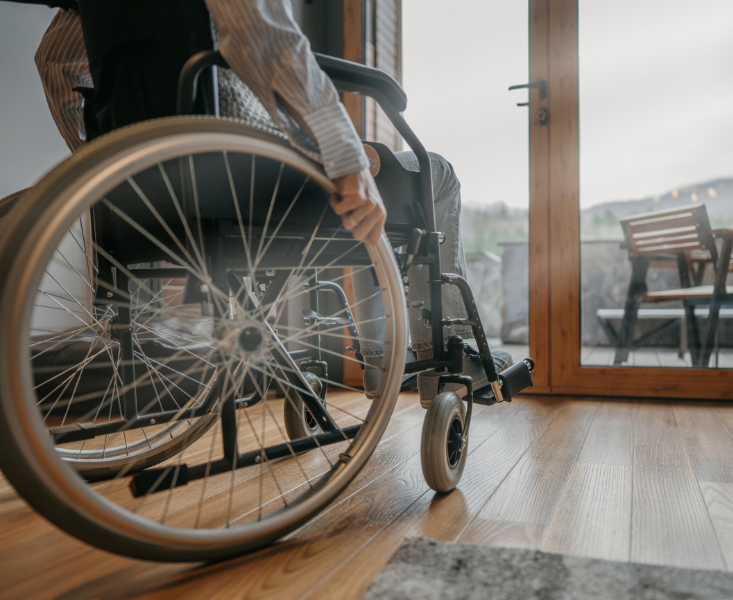
Complex Home Modifications
Complex home modifications involve major or structural changes to a home to make it safe and accessible for a person with significant support needs. These modifications are more extensive than minor changes and are typically required when a person’s mobility, physical needs, or safety risks cannot be addressed through simple adjustments.
Examples may include full bathroom redesigns, widening doorways, installing ceiling hoists, modifying kitchens, creating step-free access, or redesigning parts of the home to support wheelchair use or high physical support needs. These projects often require input from multiple professionals, including Occupational Therapists, builders, and specialists.
The process for complex home modifications is more detailed and may involve assessments, reports, design planning, quotes, and formal approval before work begins. Construction may take time and can temporarily impact how the home is used during the process.
Someone may use complex home modifications if their current home is not safe or accessible due to significant mobility challenges, high support needs, or long-term disability requirements. These changes are designed to support independence, reduce risk, and make it possible to live safely at home.
In Australia, complex home modifications can be funded through the NDIS when they are considered reasonable and necessary. The process is more structured than minor modifications and requires strong supporting evidence, but can result in significant long-term improvements in safety, independence, and quality of life.

Who It’s For:
-
Supports people with disability who require major or structural changes to their home due to significant mobility, safety, or accessibility needs.
What’s Included:
-
Comprehensive home assessment.
-
OT and specialist reports.
-
Design and planning.
-
Builder coordination.
-
Structural modifications such as bathroom redesigns, widened doorways, hoists, or full accessibility upgrades.
Session Types:
-
Assessment and design phase.
-
Approval process.
-
Construction phase.
-
Ongoing review if needed.
Benefits:
-
Enables safe access throughout the home.
-
Supports long-term independence.
-
Reduces need for higher levels of care.
-
Improves quality of life and daily functioning.
Enquire Now
"*" indicates required fields